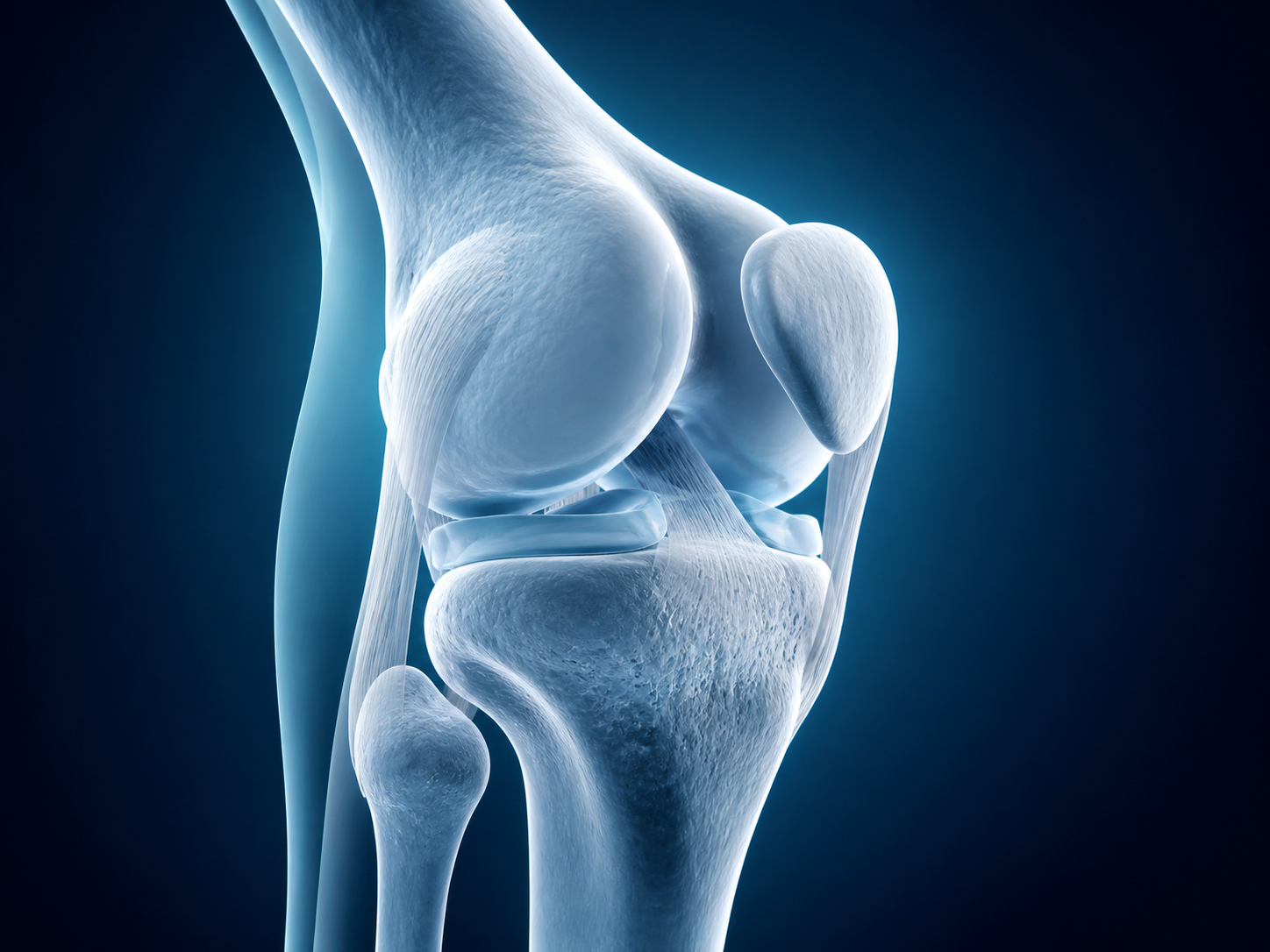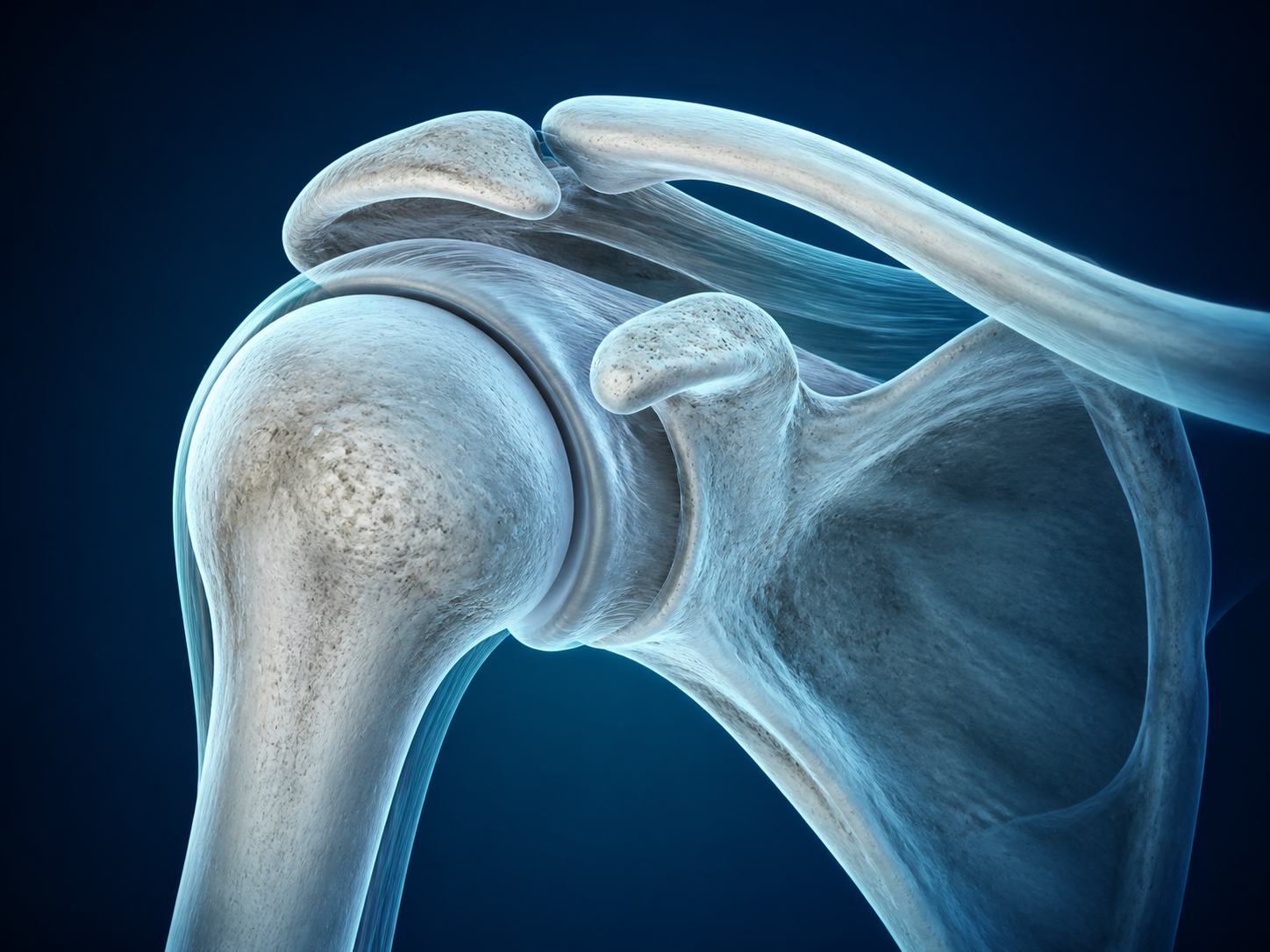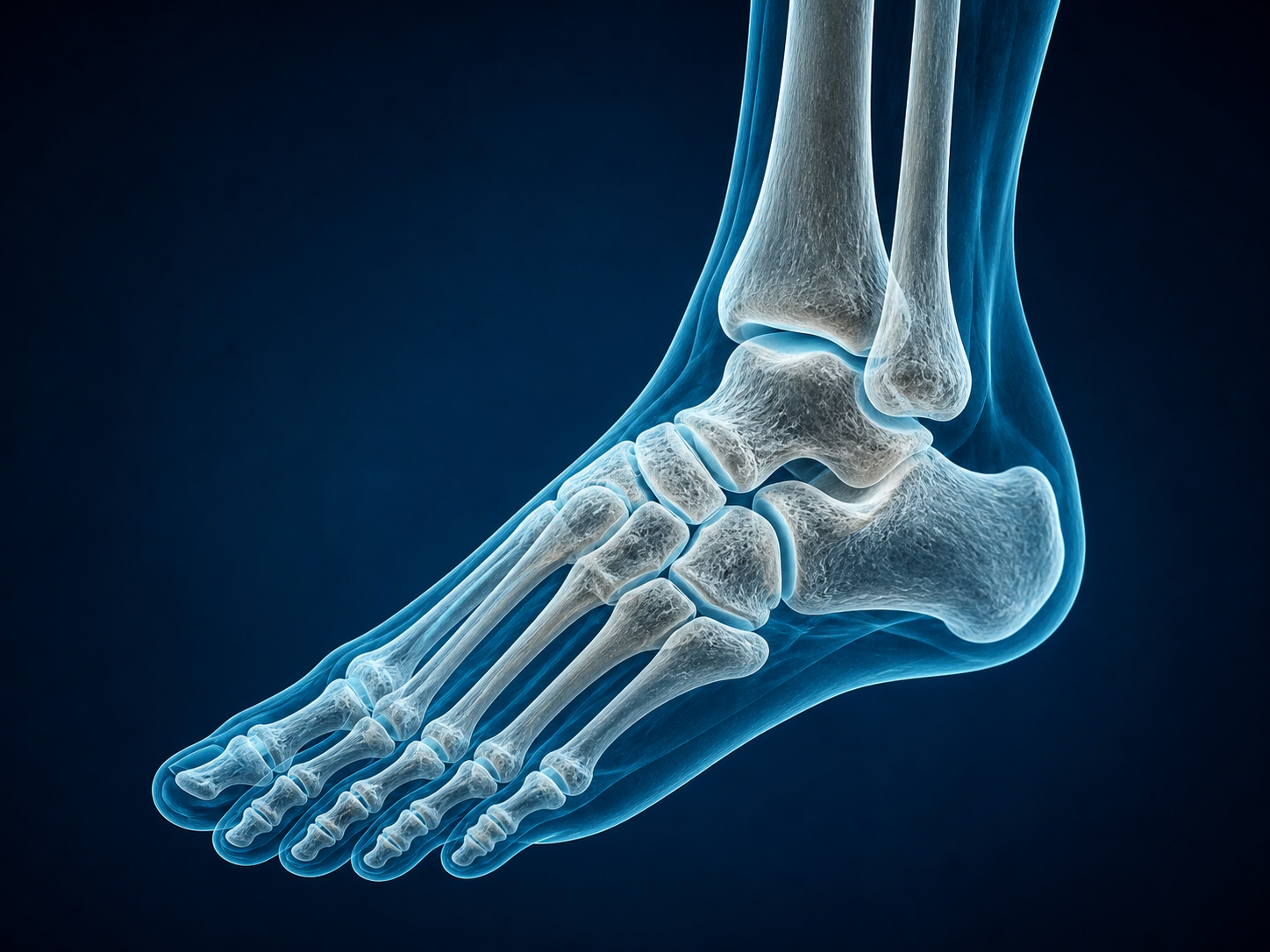
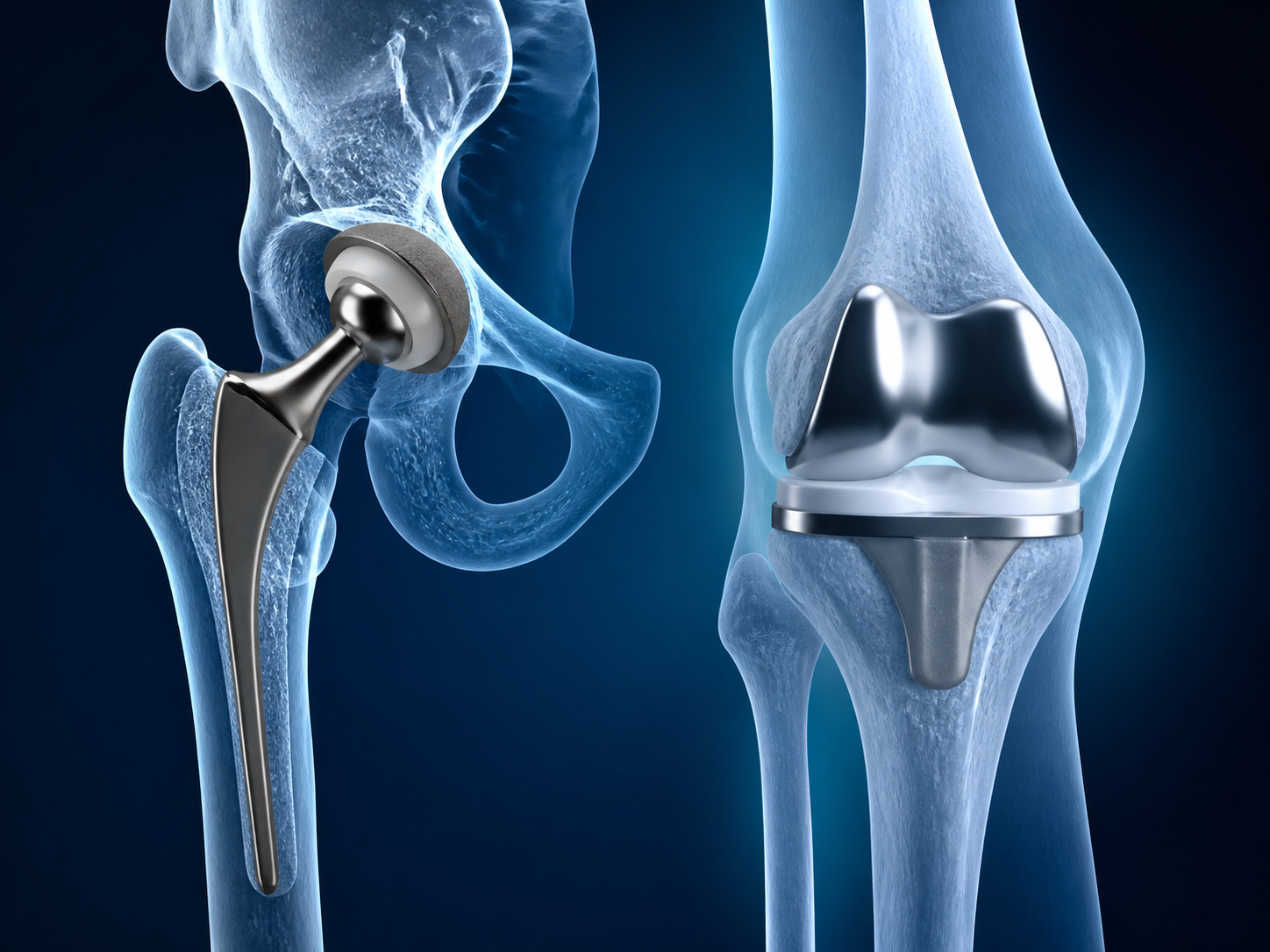
When arthritis has worn away the joint surface and medication, injections and physiotherapy no longer help, joint replacement reliably relieves pain and restores movement. Implant choice, alignment and rehabilitation are planned individually for each patient.
Conditions we treat
- Advanced osteoarthritis of the knee or hip
- Rheumatoid and inflammatory arthritis
- Avascular necrosis of the hip
- Post-traumatic arthritis
- Severe bow-leg or knock-knee deformity
- Failed previous joint surgery
How it works — what to expect
- 1
Consultation & examination
A detailed history and hands-on clinical examination to identify the exact structure causing pain, instability or stiffness.
- 2
Imaging & diagnosis
X-rays, and where needed an MRI or CT scan, to confirm the diagnosis and plan treatment precisely.
- 3
Pre-operative optimisation
Blood sugar, blood pressure, dental and skin checks plus pre-habilitation exercises reduce complications and speed recovery.
- 4
Total or partial replacement
Worn surfaces are resurfaced with implants sized and aligned to your anatomy; partial replacement is chosen where only one compartment is affected.
- 5
Rapid recovery protocol
Modern pain control allows standing and walking with support on the day of surgery, with discharge typically in two to three days.
Procedures offered
Total knee replacement
Resurfacing of the worn knee joint with a modern implant, correcting deformity and restoring alignment.
Partial (uni) knee replacement
Only the damaged compartment is replaced, preserving healthy bone and ligaments in suitable patients.
Total hip replacement
Restores painless hip motion with a durable bearing chosen for the patient's age and activity level.
Recovery & rehabilitation
Joint replacement is a quality-of-life operation. The aim is a pain-free joint that lets you walk, climb stairs, sit comfortably and sleep through the night.
Walking begins on the day of surgery under supervision. Most patients use a walker for two weeks, a stick for another two, and then walk independently.
Strength and range continue to improve for up to a year. Modern implants commonly last 15–20 years or more with sensible activity.
- Day 0: standing and a few assisted steps
- Day 2–3: discharge home, stairs practice
- Week 2: stitches out, walker to stick
- Week 6: independent walking, driving for most
- Month 3–6: full daily activity and low-impact sport