Why bone changes after 40
Bone is living tissue that is broken down and rebuilt continuously throughout life. Until the mid-thirties, formation slightly outpaces breakdown and bone mass peaks. After 40 the balance quietly reverses, and in women the loss accelerates sharply in the five to ten years after menopause because oestrogen — a powerful brake on bone breakdown — falls away.
The loss is silent. There is no ache in a thinning bone, no stiffness, no warning. Most people discover the problem only when a wrist snaps after a trip in the bathroom, a hip breaks after a low fall, or a spine fracture shows up as unexplained back pain, a gradual stoop and two or three centimetres of lost height.
Who is most at risk
Risk rises with a family history of hip fracture, a small body frame, early menopause, long-term steroid or thyroid medication, smoking, heavy alcohol intake, and conditions such as rheumatoid arthritis, coeliac disease or chronic kidney disease.
In our practice in Mysuru, low vitamin D is almost universal, even in people who spend time outdoors, because sun exposure at the right hours is limited and diets are often low in dairy. A simple blood test answers the question.
Calcium, vitamin D and protein
Aim for 1,000–1,200 mg of calcium a day. Milk, curd, paneer, ragi, sesame seeds, almonds, small fish eaten with bones and dark leafy greens are all good sources. Supplements are useful when diet genuinely falls short, but food comes first.
Vitamin D allows calcium to be absorbed at all. Fifteen to twenty minutes of mid-morning sunlight on arms and legs helps, and where a blood level is low, a supervised loading dose followed by maintenance is standard.
Protein is the forgotten nutrient in bone health. Roughly a gram per kilogram of body weight daily supports both the collagen framework of bone and the muscle that protects it.
Exercise is the strongest medicine
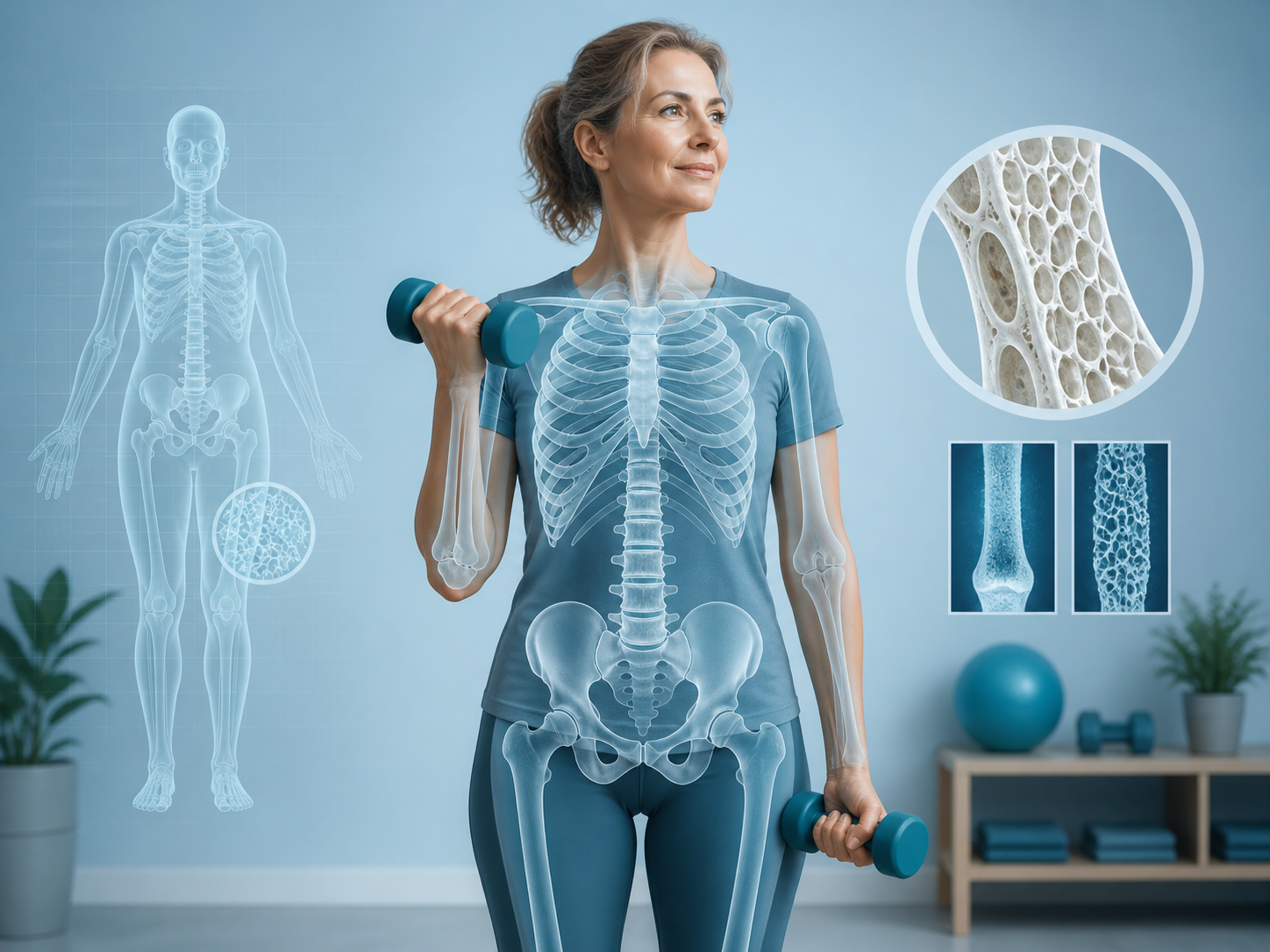
Bone responds to load. Weight-bearing and resistance exercise is the single most effective non-drug way to slow bone loss, and unlike a tablet it also improves balance, coordination and muscle strength — which prevents the fall that would have caused the fracture.
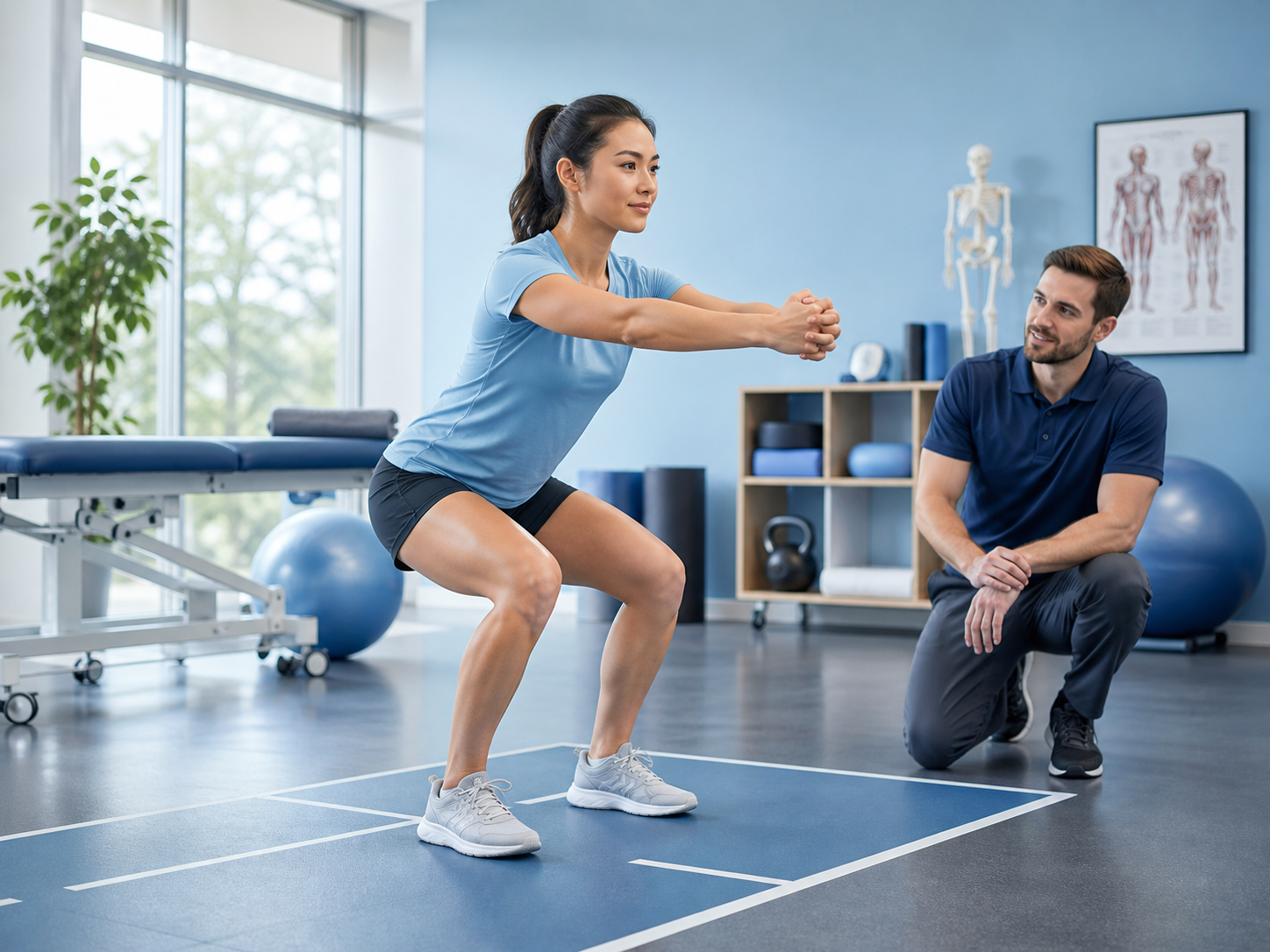
A practical weekly target: thirty minutes of brisk walking or stair climbing on most days, two sessions of resistance training covering legs, hips, back and shoulders, and a few minutes of balance work such as single-leg stands or tai chi. Swimming and cycling are excellent for the heart but do little for bone density.
When to get tested
A DEXA scan measures bone mineral density painlessly in about ten minutes. It is worth doing for women after menopause, men over 65, anyone on long-term steroids, anyone with a parent who fractured a hip, and everyone who has already had a fracture from a fall at standing height or less.
The result is reported as a T-score. Above −1.0 is normal, −1.0 to −2.5 is osteopenia, and below −2.5 is osteoporosis. Treatment decisions combine that number with your other risk factors, not the score alone.
Treatment when bone density is low
Where density is low or a fragility fracture has already occurred, medication substantially reduces the risk of the next one. Bisphosphonates are the usual first choice; other options exist for patients who cannot tolerate them or who have very high risk.
Medication never replaces nutrition and exercise — it works alongside them. It is also worth reviewing the home for loose rugs, poor lighting and slippery bathroom floors, and having eyesight checked, because most fractures start with a preventable fall.
The bottom line
Bone loss after 40 is normal; fragility fractures are not inevitable. Eat enough calcium and protein, correct vitamin D, lift something heavy twice a week, walk most days, and get a DEXA scan if you fall into a risk group. If you have already broken a bone in a minor fall, treat it as a warning and come in for an assessment rather than waiting for the next one.
About the author
Dr. Shreyas M.J
Consultant Orthopaedic Surgeon in Mysuru specialising in arthroscopy of the knee and shoulder, joint replacement, foot & ankle surgery and trauma care. Fellowship-trained in arthroscopy and sports medicine (India, Australia and Thailand) and Assistant Professor at JSS Hospital.
Read full profile →This article is general information and not a substitute for a clinical examination. For advice on your specific problem, book a consultation at the clinic.